5 rock-cut temples beyond Ajanta and Ellora
India’s rock-cut temples are among the earliest examples of architectural brilliance in the world. Carved straight out of living rock, these monuments tell stories of faith, artistry and engineering that go back centuries. While Ajanta and Ellora are the most well-known, several other sites across the country are just as remarkable and deserve attention. Here are five such rock-cut wonders worth visiting.
Elephanta Caves, Maharashtra
Located on Elephanta Island near Mumbai, these caves date back to between the 5th and 8th centuries CE. They are best known for their massive basalt sculptures representing Hindu philosophy. The iconic Trimurti, a three-headed form of Lord Shiva, is the centrepiece. The caves, which also reflect Buddhist influences, are a UNESCO World Heritage Site maintained by the Archaeological Survey of India.
Badami Cave Temples, Karnataka
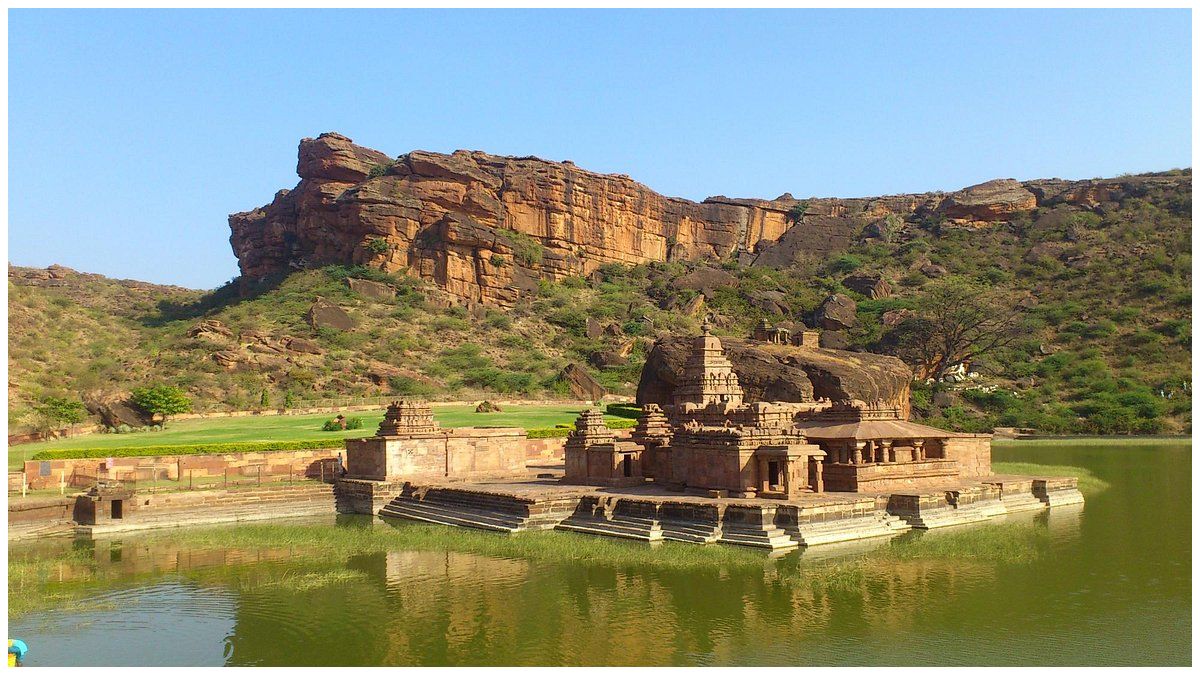
Carved into sandstone cliffs in the 6th century CE, the Badami caves are a striking example of early Deccan rock-cut architecture. Built during the Chalukya period, these caves feature Hindu, Jain and Buddhist imagery. Sculptures of Vishnu, Shiva and other mythological figures highlight the artistic depth of the era and make Badami a key site in Karnataka’s history.
Pancha Rathas, Mahabalipuram, Tamil Nadu
Part of the UNESCO-listed Group of Monuments at Mahabalipuram, the Pancha Rathas are monolithic structures carved from single blocks of granite. Each monument resembles a chariot and is named after the Pandava brothers and Draupadi from the Mahabharata. The site showcases early Dravidian architectural styles and experimentation in temple design.
Udayagiri and Khandagiri Caves, Odisha
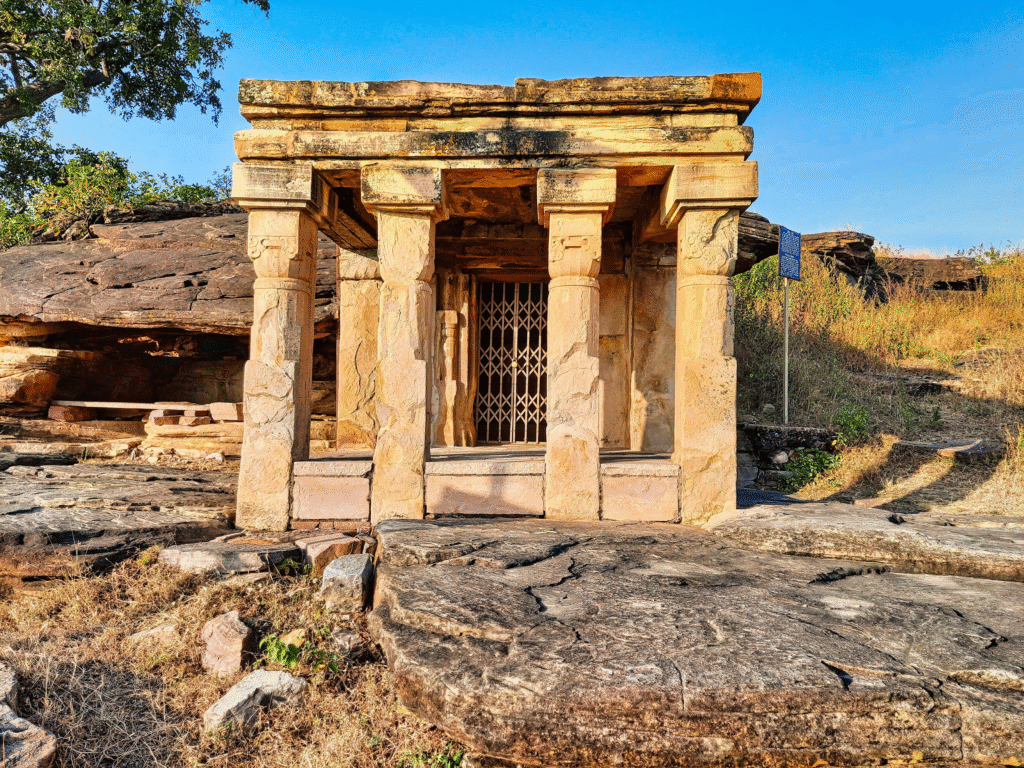
Located near Bhubaneswar, these caves were once known as Kattaka Gumpha. A mix of natural and man-made caves, they hold strong archaeological and religious significance. Intricate carvings depict animals, symbols and mythological scenes. Rani Gumpha is the most prominent cave, and the site reflects strong Jain and Buddhist influences.
Varaha Cave Temple, Mahabalipuram, Tamil Nadu
Dating to the late 7th century, the Varaha Cave Temple stands along the Coromandel Coast and is another jewel of Mahabalipuram. The highlight here is the relief of Lord Vishnu in his Varaha avatar, lifting Bhudevi from the sea. The cave walls feature detailed mythological scenes, making it a fine example of Pallava-era rock-cut architecture.